
The Downtown Revitalization Initiative (DRI) Branding Playbook: From Grant Allocation to Physical Wayfinding
Executive Summary
A Downtown Revitalization Initiative (DRI) branding project provides a strategic framework for economic development, creating order and priority among capital projects, local businesses, and existing or to-be-created public spaces. Establishing a brand provides a unified visual representation and narrative. The most successful DRI branding integrates early involvement with a range of stakeholders and moves through a clear process: consensus-building, brand architecture, geographic UX/integrated digital and physical wayfinding, and a deliberate launch framework with ongoing plans for budget and deployment. This process is a glow up, backed by data intended to support future aspirations and longterm sustainability.

Why Municipal Branding is the Backbone of DRI Grant Success
Securing the funding for a Downtown Revitalization Initiative (DRI) or NY Forward award can—and should—be transformative, but it takes more than capital investments to achieve economic vitality. The viability of streetscapes, façade improvements, wayfinding, and anchor developments requires a visual and narrative throughline to shape physical infrastructure into a desirable, memorable destination. It also demands that you have a committed team of stakeholders driving each leg of the journey.
Without a cohesive civic identity, revitalization projects risk fragmentation—where individual developments feel disconnected, confusing visitors and failing to build long-term community equity. How you can be successful by pacing yourself and communicating clearly from start to finish:
The DRI Strategic Execution Path 🏃🏽♀️➡️
Starting Line: Capital investment & creative concepts for streetscapes, projects, and façades.
First Leg: Build a unified brand identity informed by real stakeholder input.
Second Leg: Integrate branding directly into wayfinding and placemaking.
Third Leg: Draft and deploy a launch marketing plan.
Final Leg: Connect regional audiences with the living destination.
The 4-Phase* DRI Placemaking Framework
When you are ready to move from initial grant disbursement to bringing a thriving downtown ecosystem to life, municipalities and Local Planning Committees (LPCs) can follow Trampoline’s four-stage framework.
Phase 1: Stakeholder Consensus & Public Input
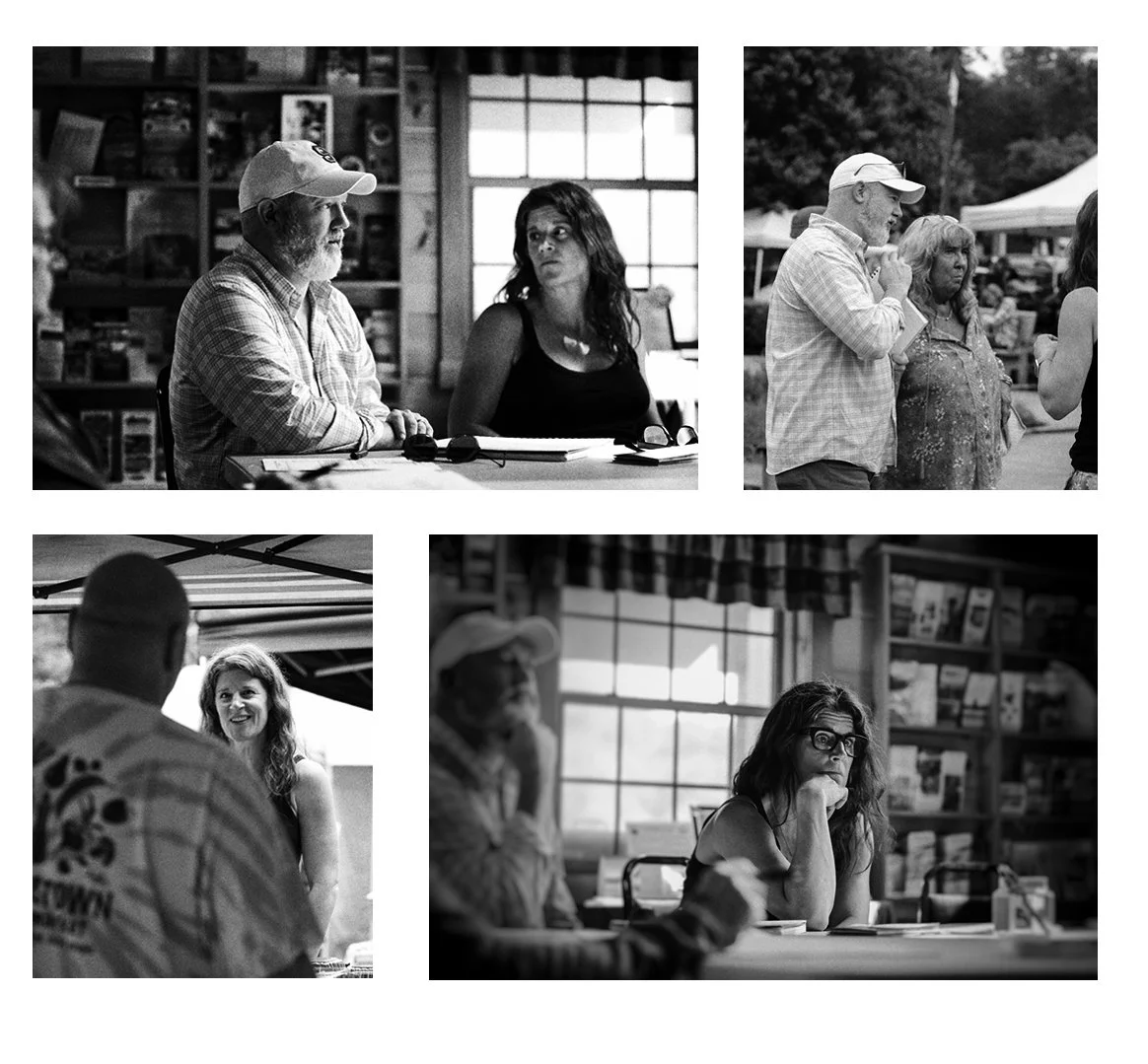
Civic rebrands succeed or fail based on community buy-in. This isn’t something to be rushed; DRI projects require balancing the priorities of business owners, long-time residents, elected officials, and state planners.
Public Discovery Workshops: Hands-on sessions gathering community sentiment, historical anchors, and shared aspirations. These will often surface topics that seem off-topic at first; keep in mind, the more people are heard, the more likely they are to become long-term brand champions.
Mitigating Town Hall Pitfalls: Structuring feedback around qualitative sentiment and clear data rather than design-by-committee voting will always reward you. Introduce a clear, stepped framework early to keep the process on track.
LPC & Municipal Alignment: Ensuring elected officials and committee members agree on strategic positioning before visual concepts begin. We find this works best when every creative decision connects directly back to public input (e.g., "We chose this direction because resident surveys favored 'quaint and storied' over 'quirky'").
Phase 2: Dual-Layer Brand Architecture (Municipal vs. Visitor-Facing)
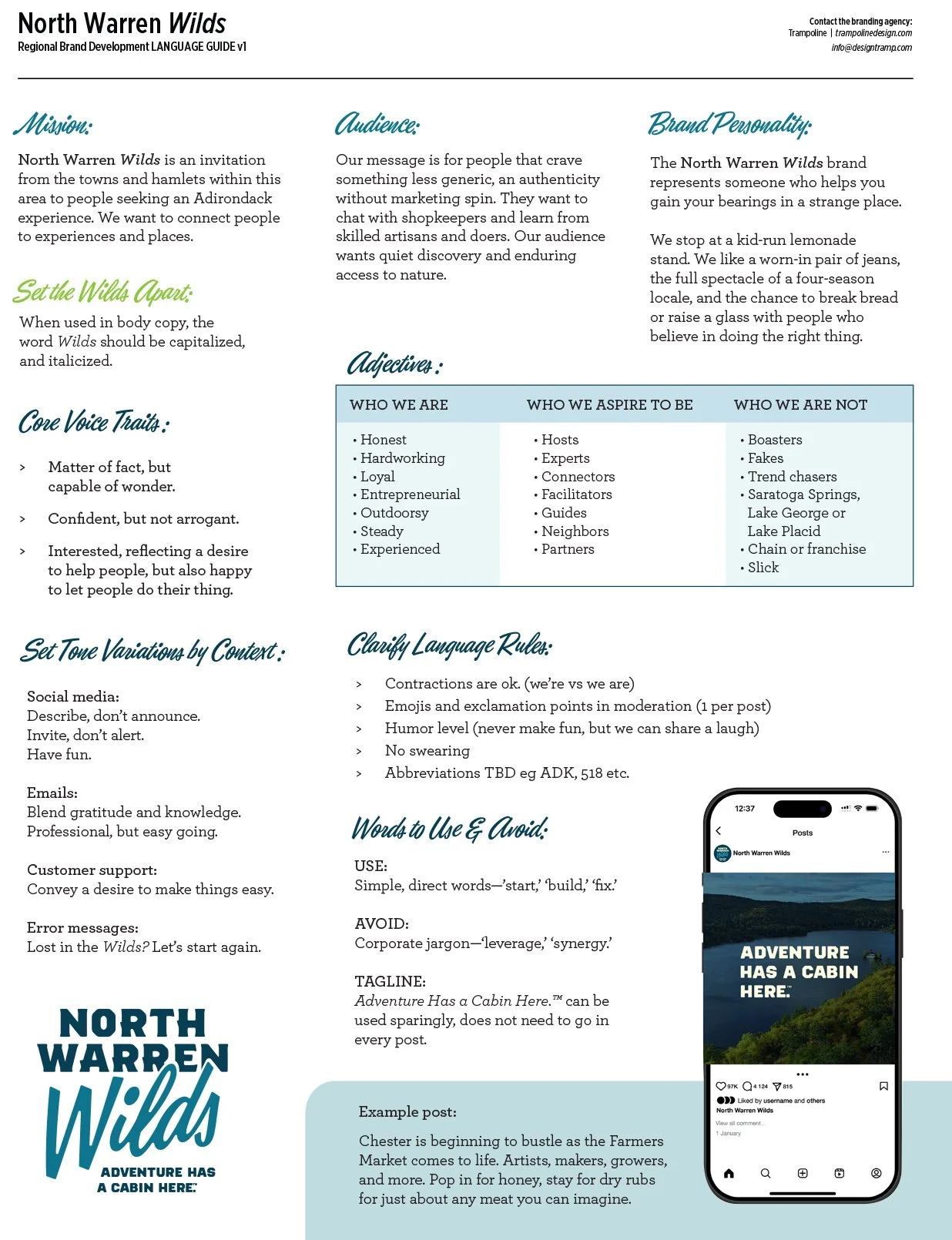
A common pitfall in civic branding is relying on the official municipal seal as a consumer-facing destination mark. Plan to satisfy multiple audiences with distinct, compatible graphics:
The Municipal/Administrative Tier: City seals and government logos used for tax notices, municipal resolutions, and emergency services.
The Destination/Placemaking Tier: A modern, flexible visual identity applied across downtown banners, event branding, visitor maps, and business merchant kits.
Phase 3: Physical & Digital Wayfinding Systems
A downtown brand must exist in the digital realm, but it also has to step off the screen to guide actual feet on the pavement:
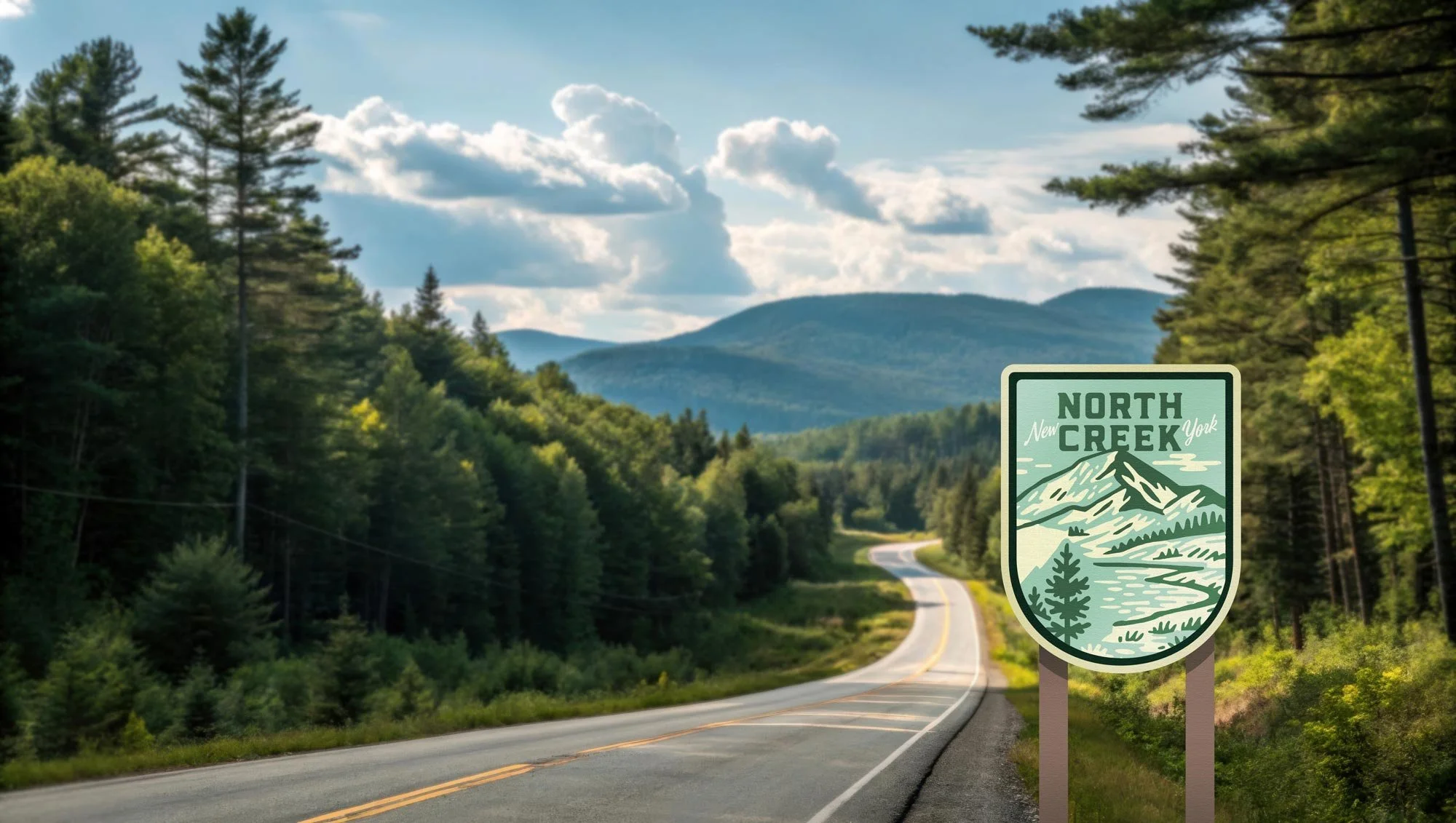
Gateway & Vehicular Signage: High-visibility markers welcoming drivers into the district.
Pedestrian Kiosks & Wayfinding: Scalable street signage directing visitors from parking assets to retail corridors, trails, and cultural anchors.
ADA & Municipal Code Compliance: High-contrast typography, compliant color palettes, and resilient exterior materials engineered for all seasons.
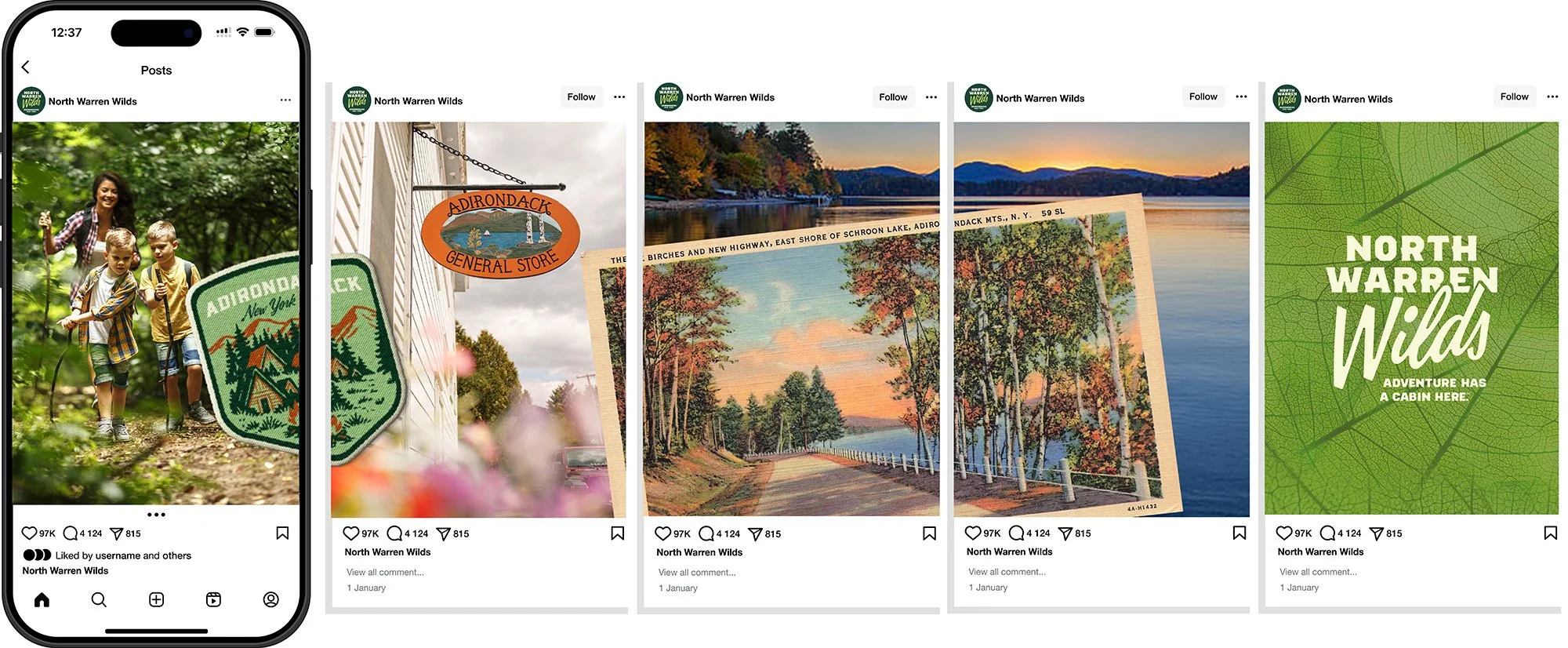
Phase 4: Launch-Phase Digital Campaigns & Foot-Traffic Measurement
Once physical assets are in place, digital activation turns the investment into visitor foot traffic:
Geo-Fenced DSP Campaigns: Programmatic display and mobile ads targeting high-intent visitors in primary 1-to-3-hour drive markets.
Local Business Toolkits: Co-branded digital assets, social templates, and window decals provided to downtown merchants.
Attribution & Lift Analysis: Measuring year-over-year foot traffic, hotel bed tax increases, and retail sales growth.
*We might add a 5th phase, call it the glue. Have fun. Yes, this is a lengthy, labor and cost intensive process, but you are literally creating new life for your town with this effort. Don’t forget what made you begin: you believed in where you are, who else is there, and what it can be.
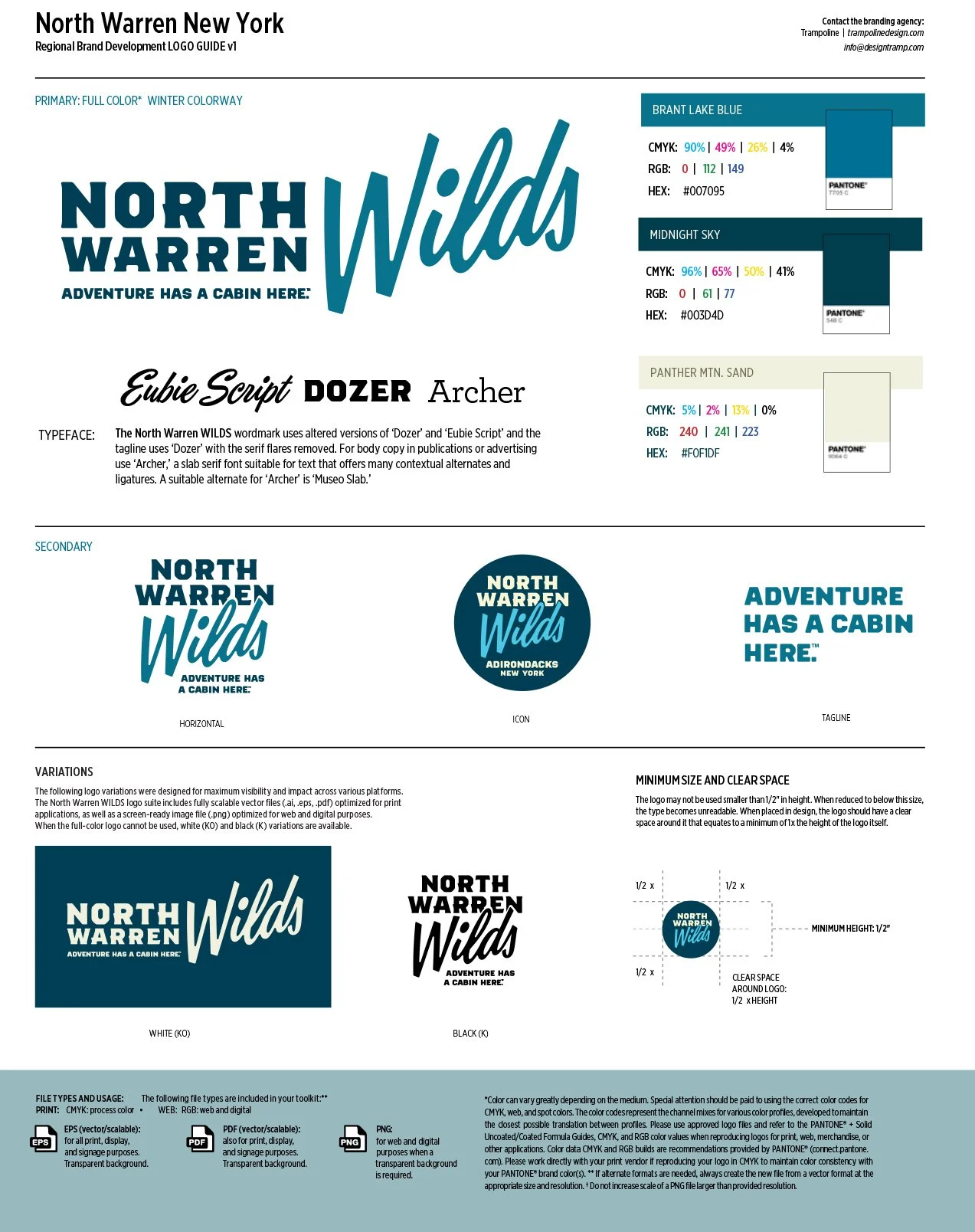
Technical Specifications: Wayfinding & Visual Identity Standards
For municipal planners drafting RFPs, modern DRI branding guidelines must include these minimum technical standards:
Color Palette Accessibility: Minimum 4.5:1 contrast ratios across digital assets (WCAG AA standard) and exterior sign legibility guidelines.
Typography Systems: Typefaces with open counters, wide apertures, and multiple weights to ensure legibility across distances and low-light weather.
Vector Deliverables: Full production packages (.SVG, .EPS, .PDF) with sub-marks engineered for embroidery, vinyl cutting, UV outdoor printing, and digital UI.

Frequently Asked Questions
What percentage of a DRI grant should be allocated to branding and wayfinding?
Typically, municipalities allocate between 3% and 8% of their total DRI grant funding toward marketing, brand identity, wayfinding design, and regional launch campaigns. This ensures physical infrastructure investments generate immediate visibility and foot traffic. While DRI funds are a one-time award, planning should always include pragmatic forecasts for sustained spending in subsequent years.
How long does a municipal rebrand and DRI placemaking process take?
It depends on organizational readiness and committee size, but a full DRI branding and wayfinding design sprint generally spans 18 to 34 weeks. This includes stakeholder discovery (6–8 weeks), design and architectural drafting (8–10 weeks), public review and refinement (6 weeks), and final delivery of wayfinding specs and brand guidelines (4–8 weeks).
Why should municipalities partner with a certified Women-Owned Business Enterprise (MWBE)?
Partnering with a certified MWBE design agency (like Trampoline Design) helps municipalities, state agencies, and regional authorities meet state-mandated diversity spend goals while securing top-tier strategy, creative execution, and delivery speed. Ultimately you should partner with whoever makes you feel comfortable, respected, and to a certain degree, who encourages you to go a little beyond what you might originally have done.
Ready to Elevate Your Downtown?
Whether your community is preparing a DRI or NY Forward grant proposal, executing an awarded plan, or building regional foot-traffic campaigns, Trampoline Design brings deep expertise in place branding, public consensus building, and digital media strategy.
Contact Trampoline Design to discuss your DRI or municipal project.